

Why are my brakes squealing or grinding?
A squeal is often an early warning from worn pads, while a grinding noise usually means the friction material has gone and metal is rubbing metal.
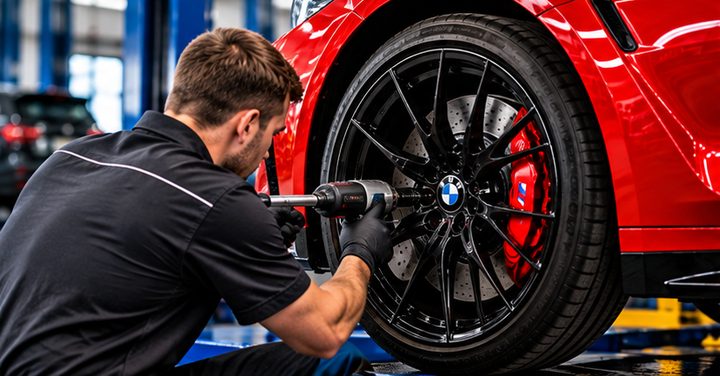
The short answer is that squealing brakes are usually asking for attention, and grinding brakes are usually asking for it urgently. A high-pitched squeal can come from worn pads, glazed pads, a build-up of dust or surface rust on the discs. A deep, rough grinding sound normally points to pads worn down to the backing plate, which damages the discs quickly.
Not every noise means a fault. After a damp night, a light squeal for the first few stops can simply be a film of rust wiping off the discs. What matters is whether the noise stays, changes with pedal pressure, or comes with other symptoms such as a longer pedal travel or the car pulling to one side.
What makes brakes squeal when I press the pedal?
Many pads carry a small metal wear indicator that touches the disc when the friction material gets low. It produces a deliberate squeal, which is the car telling you the pads are due for replacement. Squeal can also come from pads that have overheated and glazed, leaving a hard shiny surface that vibrates against the disc.
Missing or dried-out anti-squeal shims and lubricant, and a slightly seized caliper slide, are other common causes. Because the cause varies, the sound alone cannot tell you how much pad is left.
Why do my brakes grind and is it dangerous?
Grinding that happens whenever you brake, rather than a light noise that fades, often means the pad material has worn away completely. The steel backing plate is then cutting into the disc, which can leave deep grooves and a sharp lip on the edge.
This is a safety matter as well as a cost one. Braking performance falls, stopping distances grow, and a disc that is worn too thin may need replacing along with the pads. Leaving it makes the eventual bill larger, because parts that could have been reused are damaged. It also helps to avoid heavy braking from speed before your appointment, and to leave extra space to the car ahead.
What can I safely check myself?
You can do some simple checks without lifting the car. Do them on level ground with the engine off and the wheels cool.
- Look through the wheel spokes at the pad thickness and the disc surface, if your wheels allow a view.
- Check for a bright, scored or heavily rusted disc face, or a pronounced lip at the outer edge.
- Note whether the noise is from the front or rear, and whether it happens on every stop or only the first.
- Check the brake fluid level against the marks on the reservoir, without opening it.
- Look for brake or ABS warning lights on the dashboard.
What does a garage do about squealing or grinding brakes?
A garage will normally remove the wheels and inspect pads, discs, calipers, slide pins, hoses and the fluid. Replacing pads is often straightforward, but discs, seized sliders or a sticking caliper add parts and labour.
The final job depends on the vehicle, how far the wear has gone and whether components can be reused. That is why a quote needs an inspection or at least a clear description, and why we cannot promise a particular repair before the car has been looked at.
When should I stop driving?
Stop driving and get the car checked if the grinding is constant, the pedal feels soft or sinks, the car pulls to one side under braking, or a brake warning light stays on. A burning smell after a short drive can point to a dragging caliper.
If the noise is only a faint squeal and the brakes otherwise feel normal, book an inspection soon rather than waiting for the next service. Brakes are checked at MOT time, but they can deteriorate between tests.
Do not ignore a squeal, and never drive on with constant grinding. Automaster is a garage at Longcombe Cross near Totnes, and you are welcome to ask for a quote or call the quote line once you have described the noise.
Common questions
Is it normal for brakes to squeal in the morning?
Light squealing on the first one or two stops after rain or a cold, damp night is common, because a thin layer of rust forms on the discs. If it carries on after the discs have warmed up, or gets worse, have the brakes looked at.
Can I just replace the pads and ignore the discs?
Sometimes the discs are fit to keep, but it depends on their thickness, surface and condition. A garage needs to measure and inspect them before saying whether they can be reused alongside new pads.
Why do my brakes squeal after new pads were fitted?
New pads can be noisy while they bed in, and noise can also come from missing shims, unlubricated contact points or glazed discs. If it persists, ask the garage that fitted them to recheck.
How often should brakes be checked?
Pads wear at very different rates depending on driving style and vehicle, so check your handbook for service guidance. Brake fluid also ages and has a replacement interval that varies between makes.
More advice
Ask for a quote
Tell us the make, model, registration and what the car is doing, and we will come back to you. Prefer to talk? Call our quote line on 01803 862152.
Automaster, Longcombe Cross, Longcombe, Totnes TQ9 6PL, United Kingdom