

Oxygen (lambda) sensor faults
A failing oxygen sensor can raise fuel use, cause rough running and light the engine management light, and it often needs a diagnostic check to confirm.
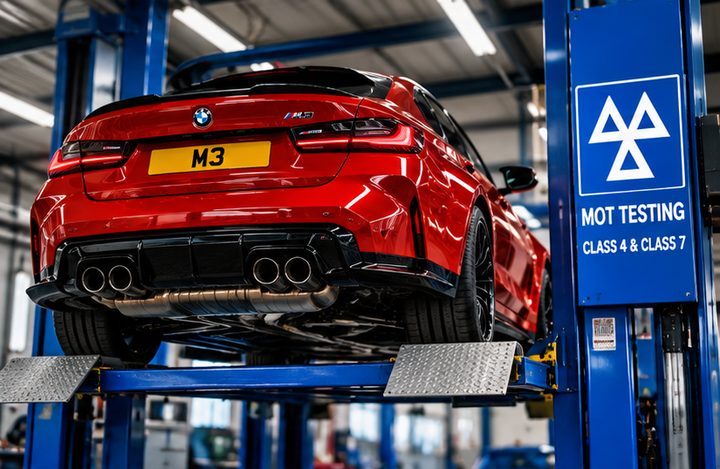
What is an oxygen sensor, and why does it matter? It sits in the exhaust and measures how much oxygen is left in the gas leaving the engine. The computer uses that reading to adjust the fuel mixture, so a faulty sensor can quietly cause rough running, heavier fuel use and a failed emissions check.
Oxygen sensors are also called lambda sensors. Below we look at the symptoms, why they fail, what a garage tests and when it is wise to stop driving.
What does a lambda sensor do?
The sensor reads the oxygen content of exhaust gas and sends a signal to the engine computer. The computer then trims fuel delivery to keep the mixture where it should be for efficient combustion and for the catalytic converter to do its job.
Most modern petrol cars have more than one, and some diesels do too. Typically there is a sensor ahead of the catalytic converter to control the mixture, and another after it to monitor the converter. The number and type depend on the vehicle, and some are heated to reach working temperature quickly.
What are the symptoms of a bad oxygen sensor?
A sensor that gives slow or wrong readings leads the computer to guess, and the engine may run richer or leaner than intended. You may notice some of these:
- Engine management light on
- Higher fuel consumption than usual
- Rough idle or hesitation
- A smell of fuel or sooty tailpipe
- Failed emissions reading at an MOT
Why do oxygen sensors fail?
They live in a hot, dirty place. Age, soot, oil or coolant contamination and fuel additives can coat the sensing element. Damaged wiring, a failed heater circuit or an exhaust leak near the sensor can cause false readings as well.
That last point is important. A sensor code does not always mean the sensor itself is faulty. An engine misfire, a vacuum leak or an exhaust leak can produce similar codes, which is why a diagnosis is a sounder first step than just fitting a new part. Fitting parts blindly can cost money and leave the real fault in place.
How does a garage test and replace an oxygen sensor?
The technician reads stored codes and then watches live sensor data to see whether it switches as expected. They check the wiring and connector, look for exhaust leaks and consider whether another fault is upsetting the reading. If the sensor is at fault, it is removed and a suitable replacement fitted.
Cost depends on which sensor it is, how many your vehicle has, how accessible and seized it is, the price of the part and the diagnostic time. We cannot promise a result without inspection. Automaster is a garage at Longcombe Cross near Totnes, and we can explain the options once we have checked the car.
Can I keep driving with a faulty oxygen sensor?
Often the car will still run, but not well, and ignoring the problem can cost more in fuel and can damage the catalytic converter over time. A flashing engine management light suggests a misfire, which is more serious, so reduce speed and have it checked quickly.
If the car stalls, loses power badly or smells strongly of fuel, stop in a safe place and get advice. Do not put off an inspection if the MOT is coming up, because a lit warning light may mean a failure.
A suspect oxygen sensor should be confirmed by testing rather than guesswork. Ask Automaster for a quote or call the quote line and tell us what your car is doing.
Common questions
Where is the oxygen sensor on my car?
It is screwed into the exhaust, either before or after the catalytic converter, and some cars have several. The exact positions depend on the vehicle.
Can I clean an oxygen sensor instead of replacing it?
Cleaning is generally not recommended, because the sensing element is delicate. A technician can test it and tell you whether replacement is needed.
How often should an oxygen sensor be replaced?
It depends on the vehicle and the sensor type, so check your handbook or service schedule. Many are replaced when they fail rather than at set intervals.
Will a new sensor fix my warning light?
Only if the sensor was the true cause. Since similar codes can come from leaks or misfires, a proper diagnosis helps avoid replacing parts that are fine.
More advice
Ask for a quote
Tell us the make, model, registration and what the car is doing, and we will come back to you. Prefer to talk? Call our quote line on 01803 862152.
Automaster, Longcombe Cross, Longcombe, Totnes TQ9 6PL, United Kingdom