

How Can I Make My Clutch Last Longer?
Clutch life depends far more on how the car is driven than on mileage, and a few habits can add a lot of useful life.
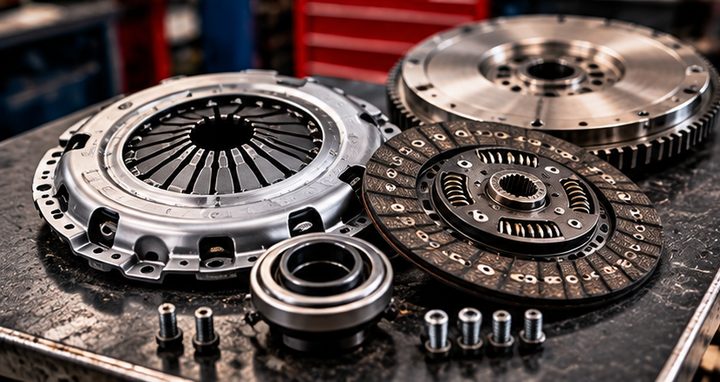
Start with the habits: do not rest your foot on the pedal, do not hold the car on a hill with the clutch, and do not sit with the pedal down at junctions longer than you need. These small things generate heat and wear the friction plate and release bearing.
Mileage matters less than you might think. Two identical cars can need a clutch at very different points depending on the roads they drive, the loads they carry and the person behind the wheel. Here is what actually makes a difference.
Does the way I drive really change how long a clutch lasts?
A clutch wears whenever it is slipping, which happens briefly every time you pull away. Smooth, unhurried starts keep that slip short. Revving high and dropping the pedal quickly, or slipping the clutch to creep forward, adds heat that wears the plate far faster.
Heavy stop-start driving is harder on a clutch than steady road miles, simply because it is used far more often. If your journeys are mostly queues and junctions, the habits below matter even more.
- Pull away with a steady, modest amount of throttle
- Release the pedal fully once the car is moving
- Change down in good time rather than letting the engine labour
- Avoid spinning the engine fast while the clutch is partly engaged
Should I hold the car on a hill with the clutch?
No. Balancing on the clutch on a slope keeps the plate slipping against a spinning flywheel, which is exactly the wear you are trying to avoid. Use the handbrake, then move off as the clutch bites.
On hilly roads this habit alone can shorten clutch life noticeably, so it is worth getting into the routine of using the handbrake whenever you stop on an incline.
Is it bad to rest my foot on the clutch pedal?
Yes. Even a light touch can partly release the clutch, causing slip and heat, and it puts load on the release bearing. Keep your left foot on the footrest when you are not changing gear.
At traffic lights or long waits, put the car in neutral and release the pedal if it is safe and sensible to do so, rather than holding the pedal down for a long time.
What loads and maintenance affect clutch life?
Carrying heavy loads, using a trailer or roof box and driving fully laden all put extra strain on the clutch, especially when moving off. Check your handbook for the loads your vehicle is designed to carry and for any fluid service guidance.
On cars with a hydraulic clutch, the system is often connected to the brake fluid. Old or low fluid can make the pedal feel poor, and leaks should be looked at promptly. Oil leaks near the bellhousing can contaminate the plate and shorten its life considerably.
What warning signs say the clutch needs attention?
Look out for a bite point that has crept higher, an engine that revs without the car keeping pace, a burning smell after a hill, or a pedal that feels soft, heavy or inconsistent. Catching these early often avoids being left with a car that will not move.
If any of these appear, have the car checked. Cost drivers include the vehicle, how long the gearbox takes to remove and whether the flywheel needs work.
Smooth habits, the handbrake on hills and early attention to leaks are the simplest ways to protect a clutch. If yours is already misbehaving, Automaster at Longcombe Cross near Totnes will happily look at it; ask for a quote.
Common questions
How long should a clutch last?
There is no fixed figure. It depends on the vehicle, the roads and the driver, so some clutches last far longer than others.
Does riding the clutch really matter?
Yes. Partial release causes slip and heat, which wears the friction plate and release bearing earlier than they should.
Can I tell if my clutch is wearing out?
A rising bite point, slipping under load, burning smells and a soft or inconsistent pedal are common signs. A garage can confirm after a proper check.
Is it worth replacing a clutch early?
If the car is showing symptoms, waiting can damage the flywheel and make the job bigger. Ask for advice rather than guessing.
More advice
Ask for a quote
Tell us the make, model, registration and what the car is doing, and we will come back to you. Prefer to talk? Call our quote line on 01803 862152.
Automaster, Longcombe Cross, Longcombe, Totnes TQ9 6PL, United Kingdom