

Signs your clutch needs replacing
The usual signs are revs that rise without the car speeding up, a pedal that feels different, juddering on pull-away, difficult gear changes and a burning smell.
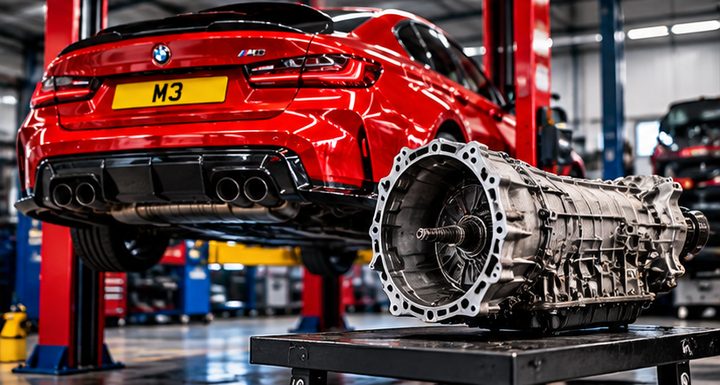
If the engine revs climb but the car does not pick up speed to match, your clutch is probably wearing out. Other common signs are a pedal that bites very high or very low, shuddering when you pull away, and gears that grind or refuse to engage.
None of these proves the clutch itself is at fault, because the pedal linkage, hydraulics and flywheel can cause similar symptoms. Below we explain what each sign usually means, what you can safely check yourself, and when the car should stay parked.
Why do my revs go up but the car does not speed up?
This is the classic sign of a slipping clutch. The friction plate can no longer grip the flywheel firmly, so some of the engine's power is lost as heat instead of reaching the wheels. It tends to show first in higher gears, going uphill or when the car is loaded, because that is when the clutch has the hardest job.
A quick, safe test is to find a quiet, level, empty road, get up to a steady speed in a higher gear and press the accelerator firmly. If the revs flare without the car responding, the clutch is slipping and it is worth booking an inspection rather than waiting.
Is a high, low or spongy clutch pedal a warning sign?
Yes, although it points to different faults. A pedal that bites right at the top of its travel often means the friction plate is thin. A pedal that feels soft, sticks down or sinks slowly can point to a hydraulic problem, such as a leaking cylinder or low fluid, or a worn cable on cars that use one.
Because the cause varies with the vehicle, it is difficult to tell wear from a linkage fault by feel alone. A garage will usually check the fluid level, the pedal action and the release mechanism before deciding what needs replacing.
- Bite point very high or very low
- Pedal feels spongy or heavy
- Pedal sticks near the floor
- Fluid level dropping in the reservoir
What does a burning smell or juddering mean?
A sharp, acrid smell after a hill start, a steep climb or some slow manoeuvring is often friction material overheating. A single hot clutch after a difficult parking effort is not always permanent damage, but a smell that keeps returning is a clear warning.
Juddering or shaking as you pull away can come from a contaminated or worn friction surface, a damaged flywheel or worn engine and gearbox mountings. A clutch that grabs and shudders rather than taking up smoothly deserves an inspection before it gets worse.
Why is it hard to get into gear?
If the clutch does not fully release when you press the pedal, the gearbox input shaft keeps turning and gears crunch or will not select, especially first and reverse. This can be a worn release bearing, a hydraulic fault or a plate that has worn unevenly.
Noises can help a technician narrow it down. A whirring or rattling that changes when you press the pedal often relates to the release bearing, while a rattle at idle that fades when the pedal is down can involve the flywheel or gearbox. Describe exactly when you hear it.
When should I stop driving and what happens at the garage?
Stop driving if the car will not select gears reliably, the pedal goes to the floor and stays there, or the clutch slips so badly that you cannot pull away or keep up with traffic. Losing drive at a junction or on a hill is a safety risk for you and others.
A replacement usually involves separating the engine and gearbox, so labour is a big part of the work. Parts choice, whether a flywheel needs replacing, and the vehicle itself all affect the final price, which is why we ask you to request a quote.
Rising revs, an odd pedal, juddering, hard gear changes or a burning smell all justify a prompt check. Ask Automaster for a quote and we will explain what we find on inspection.
Common questions
Can I keep driving with a slipping clutch?
For a short time, carefully, to get to a garage. Continued slipping generates heat and wears the plate and flywheel faster, which can turn a simpler job into a bigger one. If you struggle to pull away, stop driving.
Will a clutch replacement always include the flywheel?
Not always. Whether the flywheel can be reused, machined or needs replacing depends on its condition and the type fitted to your car. A garage can only advise after inspection.
Can I fix a spongy pedal by topping up fluid?
A low reservoir suggests a leak somewhere, so topping up only hides the issue. Check your handbook for the correct fluid and have the system inspected promptly.
How do I get a quote from Automaster?
Tell us the make, model, engine and year, plus the symptoms you have noticed. We are a garage at Longcombe Cross near Totnes and can talk you through the next step once we have those details.
More advice
Ask for a quote
Tell us the make, model, registration and what the car is doing, and we will come back to you. Prefer to talk? Call our quote line on 01803 862152.
Automaster, Longcombe Cross, Longcombe, Totnes TQ9 6PL, United Kingdom