

Interim, Full and Major Service: What Is the Difference?
An interim service is a lighter check between bigger ones, a full service is the yearly standard, and a major service adds the items that only wear out over longer periods.
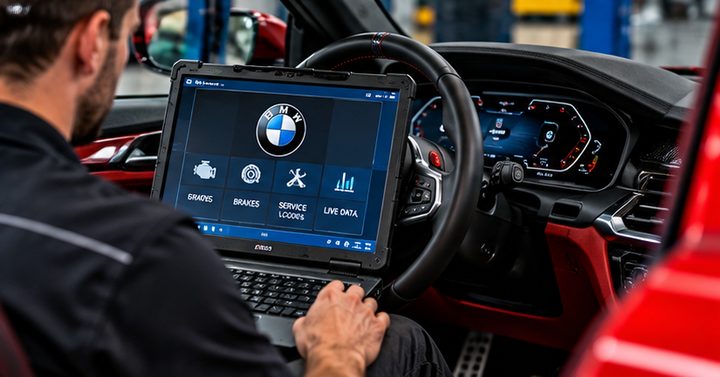
Interim, full and major are labels that garages use for three levels of servicing, and the main difference is how much gets checked and replaced. An interim service covers the essentials between bigger services, a full service goes through a longer list every year, and a major service adds the parts that only need attention every couple of years or so.
These names are not set by law, so what is included can vary from one garage to the next, and your car's handbook or service book is the final word on what your particular vehicle needs. At Automaster, a garage at Longcombe Cross near Totnes, we find it helps to ask what is on the list before agreeing to any level of service, and this guide shows you what to look for.
What does an interim service include?
An interim service is the lighter option, designed for drivers who cover a lot of miles and want a check halfway between full services. The core of it is fresh engine oil and a new oil filter, because oil is what breaks down fastest in a working engine.
Alongside that, a garage will normally carry out a visual inspection of the things that affect safety and reliability. The exact list differs, but it commonly includes:
- Engine oil and oil filter change
- Fluid level checks, including brake fluid, coolant and screen wash
- Lights, wipers and horn
- Tyre condition and pressures
- A look at brakes, steering and suspension components
What is a full service and what does it add?
A full service is the usual yearly service and includes everything in an interim plus a longer set of checks and replacements. Typical extras are a new air filter, a check of the fuel system and filters, a look at the exhaust, drive belts and battery, and a more detailed inspection of the brakes and suspension.
Spark plugs on a petrol car or a fuel filter on a diesel may fall due at a full service, but that depends on the engine and the maker's schedule. This is why two full services on two different cars can include quite different parts, and why a quote should always name the car.
What is a major service and when is it needed?
A major service is the most thorough of the three and is usually done at longer intervals, often every second year or at a higher mileage, depending on the manufacturer. It covers everything in a full service and then adds items that are replaced less often.
Which items those are depends on the vehicle, but they can include a different set of filters, brake fluid, coolant, spark plugs on petrol cars, or a timing belt where the engine has one and the maker sets a replacement interval. Ask for a breakdown, because the extras are what mainly drive the cost of a major service.
Which service does my car actually need?
The simplest way to decide is to open the handbook or service book, which lists what the manufacturer wants done at each stage by time and mileage. Whichever comes first usually decides, so a car that does very few miles still needs attention each year because oil and fluids age with time as well as use.
If you do mostly short journeys, stop-start traffic or lots of motorway driving, an interim service in between can be sensible. If you are unsure, tell us the make, model, year and mileage when you ask for a quote and we will talk through what applies to your car.
Is a service the same as an MOT?
No. An MOT is a legal annual test of whether a vehicle meets minimum safety and emissions standards on the day, while a service is maintenance that keeps the car running well. A car can pass an MOT and still be overdue for an oil change.
Many drivers book the two together to save a trip, and a service can pick up wear before it turns into an MOT failure. A service is not a legal requirement, but skipping it can lead to avoidable repairs and may affect any manufacturer cover or resale value.
Interim, full and major describe how much work is done, and the right level depends on your car, your mileage and the maker's schedule. Tell Automaster what you drive and ask for a quote, or call the quote line.
Book online
Choose a service and book your visit online.
Common questions
Is a full service better than an interim service?
Neither is simply better; they do different jobs. A full service is more thorough, while an interim is a sensible midway check for high-mileage drivers. Follow your handbook for the intervals that suit your car.
Do I need a major service every year?
Usually not. Major services tend to be needed less often than full services, and the interval depends on the manufacturer's schedule. Check your service book or ask us what your vehicle calls for.
What if my car does very few miles?
Oil and other fluids deteriorate with age as well as mileage, so low-mileage cars still need servicing by time. Many makers set a yearly limit even when the mileage is small.
Can a service find faults before they get serious?
Often it can, because worn brake pads, perished belts or leaking seals are looked for during the inspection. It cannot rule out future failures, but it helps catch wear early.
More advice
Ask for a quote
Tell us the make, model, registration and what the car is doing, and we will come back to you. Prefer to talk? Call our quote line on 01803 862152.
Automaster, Longcombe Cross, Longcombe, Totnes TQ9 6PL, United Kingdom