

EGR valve problems explained
A faulty EGR valve usually shows up as a rough idle, hesitation or a dashboard warning light, and it is worth having looked at before it affects your MOT.
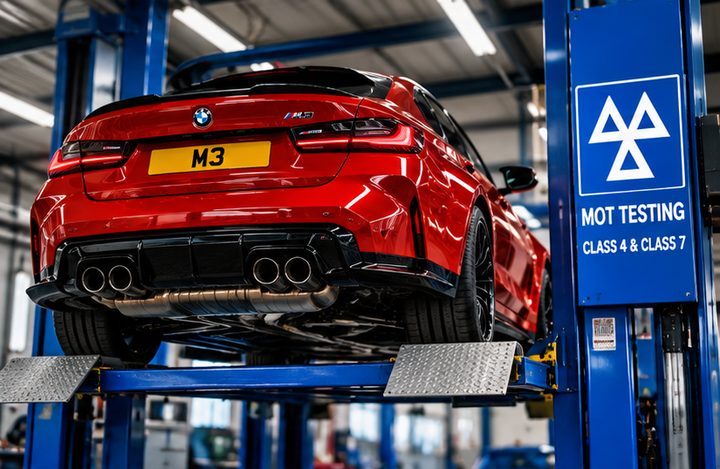
An EGR valve that sticks, clogs or stops responding is one of the more common reasons a petrol or diesel engine starts to run roughly. The valve lets a controlled amount of exhaust gas back into the engine to reduce combustion temperatures and cut harmful emissions. When it sticks open or shut, the engine can hesitate, idle unevenly or trigger a warning light.
The good news is that many EGR faults are caused by carbon build-up rather than a failed engine, and a proper diagnosis will tell you which it is. This article explains the symptoms, what you can safely look at yourself, how a garage approaches the job and when to stop driving.
What does an EGR valve do and why does it go wrong?
EGR stands for exhaust gas recirculation. A small valve opens and closes under the control of the engine computer, feeding some exhaust gas back into the intake. This lowers peak combustion temperature, which in turn reduces nitrogen oxide emissions.
Exhaust gas carries soot and oily residue. Over time this builds up on the valve, in its pipework and in the intake, until the valve can no longer seal or move freely. Short journeys, long periods of idling and engines that rarely get fully warm tend to make deposits worse. Electrical faults, a failing position sensor or a vacuum fault on some valve types can also stop it working properly, so the cause depends on the vehicle.
What are the symptoms of a faulty EGR valve?
Symptoms vary depending on whether the valve is stuck open or stuck closed. A valve held open lets too much exhaust gas in, which often causes a rough or unstable idle, stalling at low speed and flat acceleration. A valve held shut can cause pinging or knocking under load on some engines and higher emissions.
Because the engine computer monitors the system, a fault will often store a code and bring on the engine management light. Look out for these signs:
- Rough or hunting idle, especially when warm
- Hesitation or a flat spot when pulling away
- Engine management light on the dashboard
- Black smoke from a diesel under acceleration
- Reduced power or the car going into a limited performance mode
Can I check or clean an EGR valve myself?
There are a few safe checks. Make sure the engine is cool and the car is parked on level ground before looking under the bonnet. Check for obvious loose or split vacuum hoses and for loose electrical connectors at the valve. Note down exactly when the symptoms appear, such as cold start, motorway speed or idling, because that detail helps a technician a great deal.
We would be cautious about removing the valve at home. On many cars it is awkward to reach, gaskets may need replacing and bolts can seize. Spraying cleaner into a running engine can also damage sensors or a diesel particulate filter. If the light is on, a diagnostic scan is a better first step than guessing.
How does a garage diagnose and fix EGR problems?
A technician will normally begin by reading fault codes, then look at live data to see whether the valve is moving as commanded. They will inspect the valve, its wiring, any related sensors and the pipework for blockages. Sometimes a thorough clean restores normal operation. In other cases the valve or a related sensor needs replacing.
The cost depends on how accessible the valve is, whether cleaning is enough, the price of the part for your vehicle and how much time the diagnosis takes. We cannot promise a repair route before inspecting the car, but we can tell you what we find and talk through the options before work starts.
Is it safe to keep driving with an EGR warning light on?
A steady engine management light with only mild symptoms usually means you can drive carefully to a garage. A flashing light, severe loss of power, heavy smoke or an engine that keeps stalling is different. Stalling in traffic is a safety risk, so stop somewhere safe and get advice.
An illuminated engine management light can also result in an MOT failure, and a dirty or sticking valve can push emissions up. If your car is showing any of these signs, our garage at Longcombe Cross near Totnes can scan it and tell you what is going on.
EGR faults are often down to deposits and can be diagnosed properly with a scan and inspection. If your car is idling roughly or showing a warning light, ask Automaster for a quote or call the quote line.
Common questions
Will an EGR fault stop my car passing an MOT?
It can. A lit engine management light is a reason for failure at an MOT test, and an engine with high emissions may fail the exhaust emissions check. Getting the fault diagnosed before the test gives you time to deal with it.
Can an EGR valve be blocked off or removed?
We would not advise it. The system forms part of the vehicle's emissions control, and removing or disabling it can cause legal and MOT problems. Ask us about a proper repair instead.
Is a dirty EGR valve the same as a failed one?
Not always. A valve clogged with carbon can often be cleaned and refitted, but one with a failed motor or sensor may need replacing. Inspection is the only way to tell.
What should I tell the garage when I ask for a quote?
Give us the make, model, engine and year, whether it is petrol or diesel, which warning lights are showing and when the symptoms happen. That lets us explain what a diagnosis is likely to involve.
More advice
Ask for a quote
Tell us the make, model, registration and what the car is doing, and we will come back to you. Prefer to talk? Call our quote line on 01803 862152.
Automaster, Longcombe Cross, Longcombe, Totnes TQ9 6PL, United Kingdom