

Diesel Injector and Fuel System Problems: Signs and Fixes
Faulty diesel injectors and fuel system problems usually show up as hard starting, rough running, smoke or poor economy, and they are worth diagnosing early.
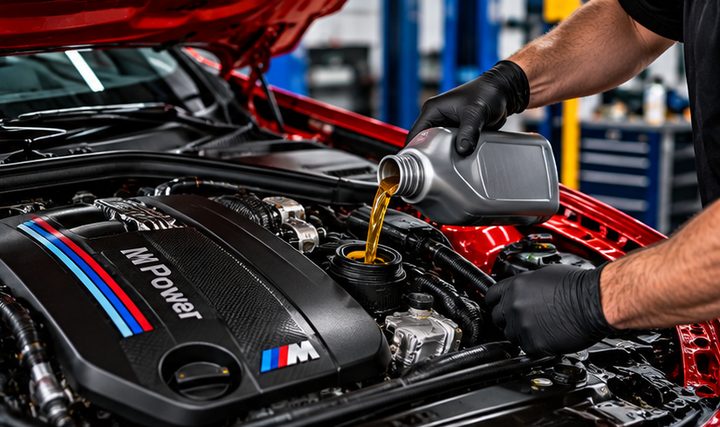
Diesel engines rely on very precise fuel delivery, so a small fault in an injector, pump, filter or fuel line can change how the whole car behaves. Typical warning signs are a long crank before the engine starts, a lumpy idle, loss of power, black or blue-grey smoke, a stronger diesel smell or fuel use that has crept up.
The causes range from something simple, like a clogged filter or contaminated fuel, to worn injectors that need testing or replacing. This guide explains the likely causes, what you can safely look at, how a garage diagnoses the fault, and when to stop driving.
What are the signs of a bad diesel injector?
An injector that sticks, leaks or sprays badly upsets combustion in that cylinder. You may notice knocking or a clattering sound that is louder than normal, an uneven idle, hesitation when accelerating, or the engine management light appearing. Fuel economy often gets worse and the exhaust may smoke on acceleration.
In more serious cases an injector can leak fuel into the cylinder or dilute the engine oil, which is why a rising oil level on the dipstick together with a diesel smell on the oil deserves prompt attention. Not every rough-running diesel has a bad injector, though, so the cause needs confirming rather than assuming.
- Long cranking or hard starting, especially when warm
- Rough or unsteady idle
- Loss of power or hesitation
- Black or grey smoke under acceleration
- Rising fuel use and a stronger fuel smell
What else causes a diesel to run badly?
Injectors are only one part of the fuel system. A blocked fuel filter starves the engine and often shows up as power loss under load. Air getting into the fuel line through a cracked pipe or loose connection can cause stalling and hard starting. A weak high pressure pump, a failing pressure sensor or a sticking pressure regulator can also trigger limp mode, where the car restricts power to protect itself.
Wrong or contaminated fuel is another cause. Water in the tank, old fuel from a car left standing, or petrol put into a diesel will damage the system. If you realise you have filled with the wrong fuel, do not start the engine, as running it spreads contamination through the pump and injectors.
What can I check myself before booking a garage?
There is a limited amount you can do safely. Check when the fuel filter was last changed against the service schedule in your handbook, as filters are a routine item. Look at whether the problem began shortly after refuelling, which may point to a bad batch of fuel. Note whether the fault appears when cold, when hot, or under load, as this narrows the search considerably.
Do not loosen fuel lines or injector connections at home. Diesel fuel systems run at very high pressure and a spray of fuel is dangerous, as well as being a fire risk. Leave any work on the fuel lines to a trained technician.
How does a garage diagnose injector and fuel faults?
Diagnosis begins with reading fault codes from the engine control unit, then checking live data such as fuel rail pressure and injector correction values. A technician may test fuel delivery and return flow from each injector, inspect for air leaks, and check the filter and lift pump. Only then is it sensible to decide whether an injector, pump or sensor needs attention.
What drives the cost is the number of injectors involved, how accessible they are on your engine, and whether the injectors can be cleaned, tested or recoded rather than replaced. Some engines need new injectors to be coded to the car afterwards. At Automaster, a garage at Longcombe Cross near Totnes, we would inspect before recommending anything, and we never promise a repair until the fault is confirmed.
When should I stop driving a diesel with fuel problems?
Stop if you can smell raw fuel inside the car or see fuel dripping beneath it, as that is a fire risk. Stop too if there is heavy smoke, loud knocking, a flashing engine warning light, or the engine is losing power so badly that it affects safe progress, for example when pulling out at a junction.
If the car has gone into limp mode, drive gently to a safe place or to a garage rather than pushing on. Continuing with a failing injector can cause serious engine damage in the worst cases, which turns a modest repair into a much larger one.
Hard starting, smoke or rough running in a diesel should be diagnosed rather than guessed at. Ask Automaster for a quote and we will inspect the fuel system and explain what we find.
Common questions
Can fuel additives fix a faulty injector?
Cleaners can help with mild deposits in some engines, but they will not repair a worn or damaged injector. If the fault is mechanical, it needs proper diagnosis.
Why does my diesel struggle to start when warm?
It can be a weak pump, a leaking injector or a failing sensor, among other things. Fault codes and live fuel pressure readings help a technician narrow it down.
Does a dirty fuel filter cause power loss?
Yes, a blocked filter restricts fuel supply, particularly under load such as climbing a hill. Replacing it at the intervals in your handbook helps prevent this.
What if I put petrol in my diesel?
Do not start the engine, and do not switch the ignition on if you can avoid it. The tank and fuel lines usually need draining and the filter checking before the car is used again.
More advice
Ask for a quote
Tell us the make, model, registration and what the car is doing, and we will come back to you. Prefer to talk? Call our quote line on 01803 862152.
Automaster, Longcombe Cross, Longcombe, Totnes TQ9 6PL, United Kingdom